IN THE FIELD OF NON DESTRUCTIVE TESTING
THE METHODS WE USES
| Methods |
|---|
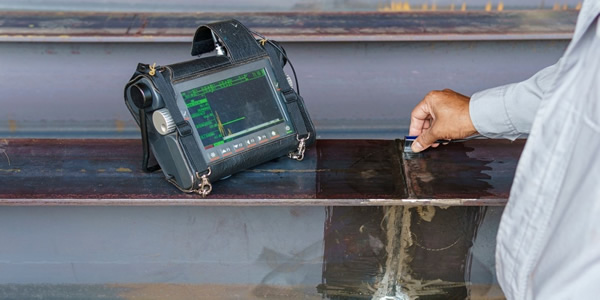 Ultrasonic Testing (UT) is a widely used non-destructive testing (NDT) method that employs high-frequency sound waves to inspect and evaluate the internal structure of materials, components, and systems. This technique is highly effective in detecting defects, cracks, and corrosion, making it an essential tool in various industries, including aerospace, oil and gas, power generation, automotive, and construction. |
.png) Radiographic Testing (RT) is a powerful NDT method that offers high sensitivity, accuracy, and detail. Its wide range of applications, including weld inspection, casting inspection, pipe and tubing inspection, corrosion detection, and composite material inspection, make it an essential tool in various industries. With its non-destructive and non-invasive nature, RT is an ideal technique for inspecting materials and components without causing damage. |
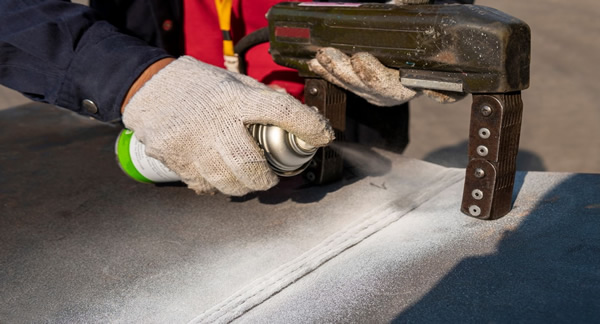 Magnetic Particle Testing (MPT) is a non-destructive testing (NDT) method that uses magnetic fields and iron particles to detect surface and subsurface defects in ferromagnetic materials. This technique is widely used in various industries, including aerospace, automotive, power generation, oil and gas, and construction. |
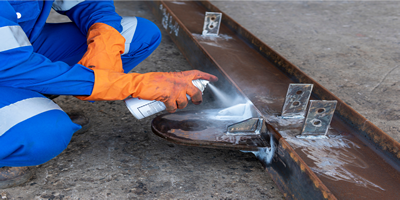 Liquid Penetrant Testing (LPT) is a non-destructive testing (NDT) method used to detect surface-breaking defects in materials, such as cracks, pores, and other discontinuities. It is a widely used technique in various industries, including aerospace, automotive, power generation, and construction. |
.png) Stress Relieving (SR)is a process used to reduce or eliminate residual stresses in materials, which can cause damage or failure over time. Residual stresses can be introduced into materials during manufacturing, processing, or service, and can lead to problems such as warping, cracking, or corrosion. |
ETC |
IN THE FIELD OF HIGH PRECISION MACHINING PARTS
WE WORK IN THE FIELD OF
| Methods |
|---|
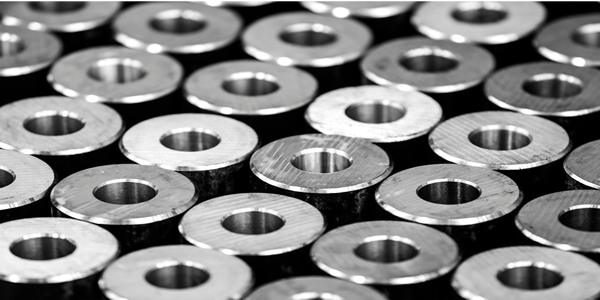 High precision parts High precision parts are components that require extremely tight tolerances and precise dimensions to function correctly. These parts are typically used in industries such as aerospace, automotive, medical,defence and electronics, where even small errors can have significant consequences. The sectors we focusd on1. Tight tolerances: High precision parts require extremely tight tolerances, often measured in microns or even nanometers. 2. Precise dimensions: High precision parts must have precise dimensions to ensure proper fit and function. 3. High surface finish: High precision parts often require a high surface finish to minimize friction and ensure smooth operation. 4. Low defect rate: High precision parts must have a low defect rate to ensure reliability and performance. Manufacturing Processes for High Precision Parts Several manufacturing processes can be used by us:1. CNC machining: Computer numerical control (CNC) machining is a popular method for creating high precision parts, as it allows for precise control over the machining process. 2. 3D printing: 3D printing, also known as additive manufacturing, can be used to create complex high precision parts with intricate geometries. 3. Grinding and polishing: Grinding and polishing are used to create high precision parts with smooth surfaces and precise dimensions. 4. Electrodischarge machining (EDM): EDM is a non-traditional machining process that uses electrical discharges to remove material and create high precision parts. Quality Control for High Precision PartsQuality control is critical when manufacturing high precision parts. Several quality control methods use by us:1. Inspection: Inspection involves visually examining the part to ensure it meets specifications. 2. Measurement: Measurement involves using instruments such as calipers and micrometers to verify the part's dimensions. 3. Testing: Testing involves subjecting the part to various tests, such as tensile testing and impact testing, to ensure it meets performance requirements. 4. Certification: Certification involves obtaining certification from a third-party organization, such as ISO or AS9100, to ensure the part meets industry standards. |
 Precision gears are critical components in various industries, including aerospace, automotive, and industrial machinery. They are designed to transmit power and motion with high accuracy and reliability. Precision gears are made using advanced materials and manufacturing techniques, such as CNC machining, grinding, and hobbing. |
ETC |